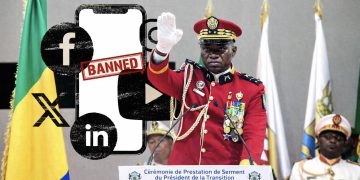





Regulators in Gabon shocked the nation on Tuesday by shutting down social media platforms across the country.
- Regulators in Gabon shocked the nation on Tuesday by shutting down social media platforms across the country.
- The move is seen as an attempt to curb online criticism as protests intensify over the rising cost of living.
- Mendome stressed that “inappropriate, defamatory, hateful, and insulting content” erodes human dignity and national security.
- Now, health workers and broadcasters are also threatening to strike, deepening public frustration over rising prices and economic hardship.
Keep reading for the full breakdown on African social media restrictions — everything you need to know is covered below.
The move is seen as an attempt to curb online criticism as protests intensify over the rising cost of living.
The High Authority for Communication (HAC) declared the suspension immediate and open-ended, targeting content regulators deemed harmful to stability.
HAC spokesperson Jean-Claude Mendome delivered the announcement via television. He pinpointed “the spread of false information,” “cyberbullying,” and “unauthorised disclosure of personal data” as key threats. Mendome stressed that “inappropriate, defamatory, hateful, and insulting content” erodes human dignity and national security.
Users said Facebook and TikTok were inaccessible on Wednesday, AFP journalists reported from the ground. Partial outages hit other platforms, according to BBC observations. The HAC did not clarify which services were fully blocked or only partially restricted.
Rising social unrest sparks social media suspension
Protests have grown since December 2025, when teachers went on strike over unpaid salaries and poor working conditions. Now, health workers and broadcasters are also threatening to strike, deepening public frustration over rising prices and economic hardship.
Gabon’s decision follows a familiar pattern across Africa, where authorities curb social media during tense political moments. In 2025, Tanzania cut internet access during elections and had earlier limited X.

In 2021, Nigeria halted Twitter for seven months after it deleted a post by former President Muhammadu Buhari, while Uganda shut down Facebook and other platforms during its general elections.
Brice Oligui Nguema, elected less than a year ago, now faces growing public discontent. Regulators have tied the social media suspension to the unrest, saying online posts are fueling division and instability.
The High Authority for Communication imposed “the immediate suspension of social media platforms in Gabon,” Mendome stated on air. Gabon now aligns with African peers using digital curbs against civil disorder.
Social media suspension ties to unrest backlash
Rising cost-of-living protests have spread, leading authorities to suspend social media platforms. Mendome said hateful content threatens “social cohesion, the stability of the Republic’s institutions, and national security.”
There is no clear timeline for restoring access. Observers say the move fits a broader pattern of governments restricting internet services during periods of unrest.