





For early-stage founders, access to tools can be as valuable as funding. Cloud infrastructure, developer platforms, design software, and enterprise tools often cost startups thousands of dollars every year.
- For early-stage founders, access to tools can be as valuable as funding.
- Cloud infrastructure, developer platforms, design software, and enterprise tools often cost startups thousands of dollars every year.
- Selected entrepreneurs join a four-week virtual bootcamp where they receive guidance from experienced founders, investors, and industry experts. Participants gain access...
- Focus areas include fintech, healthcare innovation, agriculture technology, energy and climate solutions, education technology, telecommunications, environmental sustainability, and creative industries.
Keep reading for the full breakdown on African startup tech credits — everything you need to know is covered below.
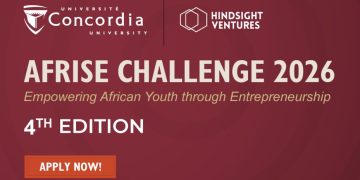
The AFRISE Challenge offers a rare shortcut: more than $600,000 in technology credits, along with mentorship and accelerator support, for African startups ready to scale.
Concordia University organises the programme in partnership with Hindsight Ventures and targets young African entrepreneurs building solutions that address real economic or social problems across the continent.



Here is what founders need to know about applying.
What the AFRISE challenge offers founders
The AFRISE Challenge is a startup accelerator that helps early-stage founders refine their ideas and prepare for growth. Selected entrepreneurs join a four-week virtual bootcamp where they receive guidance from experienced founders, investors, and industry experts.
Participants gain access to more than $600,000 in technology credits from global platforms such as Amazon Web Services, Microsoft, IBM, Zoho, Canva, DigitalOcean, and Freshworks. These credits allow startups to build products, run cloud infrastructure, and manage operations without high upfront costs.
The accelerator also includes workshops on business strategy, product development, and investor readiness. Founders collaborate with mentors and peers to refine their startup models and prepare for market expansion.

At the end of the programme, the top startups present their ideas at an international virtual demo day where they can pitch to investors and entrepreneurship support organisations for funding opportunities.
Who can apply for the programme?
The AFRISE Challenge targets young innovators who are building scalable ventures. Applicants must be between the ages of 18 and 35 and be part of a startup team or working on a startup idea that addresses a widespread problem.
Eligible founders must also be based in one of several participating African countries, including Nigeria, Kenya, Rwanda, Ghana, Senegal, Morocco, Uganda, and Côte d’Ivoire.
The programme welcomes startups across a broad range of sectors. Focus areas include fintech, healthcare innovation, agriculture technology, energy and climate solutions, education technology, telecommunications, environmental sustainability, and creative industries.
Programme organisers are particularly interested in ideas that show innovation, scalability, and the potential to improve economic opportunities or solve everyday challenges across African communities.
How founders can submit a strong application
Applying for the AFRISE Challenge starts with a clear startup concept. Founders must demonstrate that their product solves a real problem and can scale beyond a single local market. Applications typically require details about the business model, target users, and the technology behind the product.
Applicants should also highlight how the startup can create economic or social value. The programme prioritises ventures that improve services such as financial access, healthcare delivery, food production, and digital connectivity.
Another key element is founder commitment. Reviewers look for teams that understand their market, have early progress or prototypes, and can execute quickly during the accelerator programme.
Applications for the AFRISE Challenge 2026 are currently open, with the deadline set for March 27, 2026. Founders selected for the programme will begin the accelerator shortly after the screening process concludes.