





Spiro has raised $100 million to expand its battery-swapping electric motorbike network across the continent, radically transforming Africa’s electric mobility sector.
- Spiro has raised $100 million to expand its battery-swapping electric motorbike network across the continent, radically transforming Africa’s electric mobility...
- This injection represents Africa’s most significant investment in the electric vehicle mobility sector and underscores Spiro’s ambitious plans to dominate...
- Battery-swapping network accelerates e-motorbike adoption Spiro maintains 1,500 battery exchange stations in six African nations—Kenya, Uganda, Rwanda, Nigeria, Benin, and Togo—and...
- Local assembly fuels growth and jobs Spiro now assembles motorcycles locally in Kenya, Rwanda, and Uganda using fully disassembled kits, and...
Keep reading for the full breakdown on Africa — everything you need to know is covered below.
This injection represents Africa’s most significant investment in the electric vehicle mobility sector and underscores Spiro’s ambitious plans to dominate the market and its rapid development.
Battery-swapping network accelerates e-motorbike adoption
Spiro maintains 1,500 battery exchange stations in six African nations—Kenya, Uganda, Rwanda, Nigeria, Benin, and Togo—and operates over 60,000 electric motorcycles.



CEO Kaushik Burman emphasises the convenience riders experience through Spiro’s model: “Riders pick up charged batteries at swap stations and only pay for the energy they consume, with swaps costing as low as $2.24 in Kenya.”
This approach significantly reduces the time motorcyclists spend waiting for recharging, as they can exchange depleted batteries in minutes rather than waiting for hours.
Local assembly fuels growth and jobs
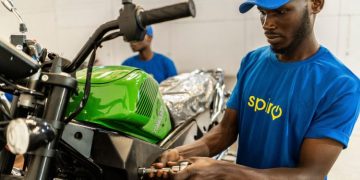
Spiro now assembles motorcycles locally in Kenya, Rwanda, and Uganda using fully disassembled kits, and by 2027, it intends to source 70% of its components locally.
In addition to lowering expenses, this strategy creates manufacturing, shipping, and maintenance jobs. The company’s electric bikes cost around $800, about 40% cheaper than new petrol motorcycles, helping riders save fuel costs by up to 30% per kilometre.

Burman noted the scale of impact: “We aim to power cleaner, affordable transport while creating thousands of jobs across Africa.”
With over 27 million battery swaps conducted over 800 million kilometres, Spiro’s concept demonstrates speed and scalability, directly addressing the long-standing obstacles of infrastructure, cost, and unstable power supply in Africa.
The new fundraising round spearheaded by the Fund for Export Development in Africa (FEDA) highlights investor confidence in Spiro’s ambition to electrify Africa’s motorbike sector through sustainable innovation.